Straight answers, no coffee-shop fuss. Every guide below gives you a ratio that works as a starting point, the grind, the timing and the fixes for when a pot comes out wrong. Weigh if you can. Tablespoons get you close. For any batch size, the coffee ratio calculator does the math.
Four Ways to Brew for the Crew
Drip Coffee Maker
The trailer workhorse. The big question is how much coffee per cup, and the answer depends on what your machine calls a cup. The drip coffee guide has a chart for 4 to 12-cup pots, plus why the hot plate is not your friend.
French Press
Full-bodied, no paper filters, and all it needs is hot water. The french press guide covers the 1:12 to 1:16 ratio, the 4-minute steep and how to fix bitter or weak press coffee.
Pour Over
One cup at a time, by hand, clean and bright. Best for the quiet cup before the day starts. The pour over guide walks through the bloom, the pour and how to dial in the grind.
Cold Brew
Coffee made with time instead of heat. Mix it the night before, strain it in the morning, and fill an insulated jug for a hot roof. The cold brew guide covers concentrate and ready-to-drink ratios, steep times and storage.
Pods and Instant: No Measuring Required
Some mornings the math isn’t happening.
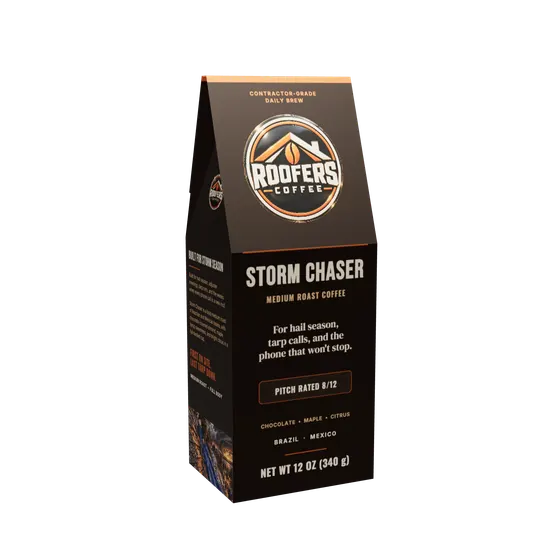
Pods. One pod, 6 to 8 oz of water, and a smaller cup brews bolder. Each pod holds the same coffee as the matching 12 oz box: Low Slope Pods, Storm Chaser Pods and Ridge Cap Pods.
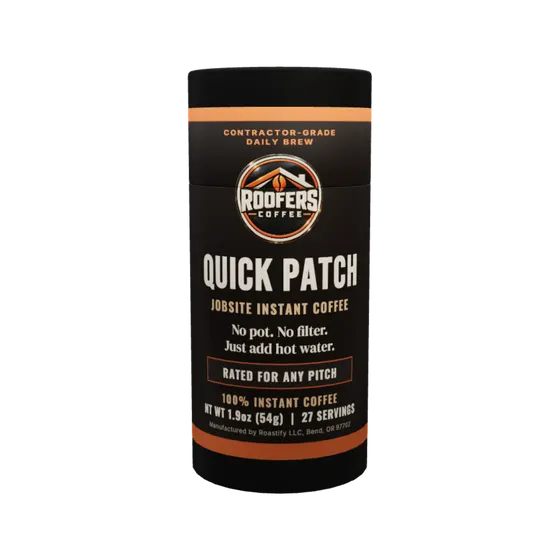
Instant. Quick Patch Instant is 100% instant coffee, a Papua New Guinea single origin with a syrupy body and caramel sweetness. Stir about 1 teaspoon (2 g) into 8 oz of hot water. No pot, no filter. It’s rated for any pitch, and a jar in the truck covers the day the trailer pot quits.
Match the Roast to the Method
Our roasts are rated by pitch, like a roof: the steeper the pitch, the darker the roast and the bolder the cup. A rough guide:
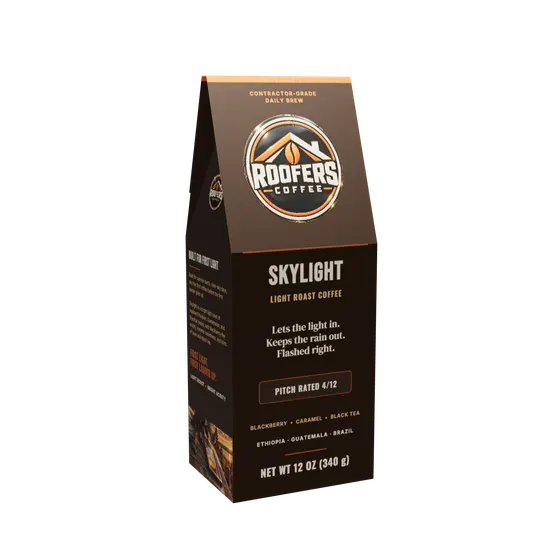
- Pour over: lighter roasts, where the bright notes come through. Skylight at 4/12 or Starter Strip at 5/12.
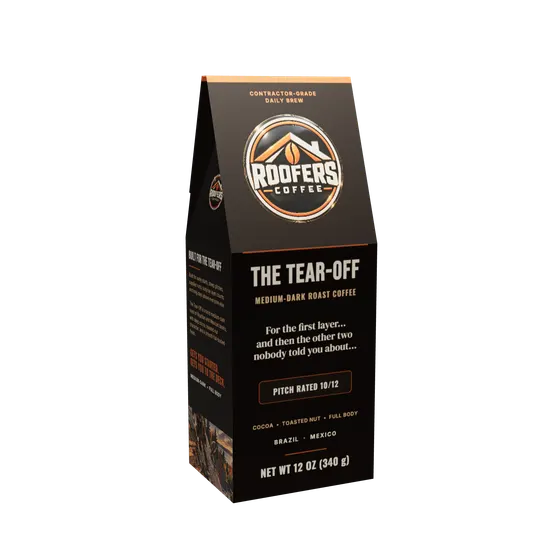
- Drip: a crowd pleaser for the shared pot. The Tear-Off at 10/12 or Storm Chaser at 8/12.
- French press and cold brew: medium to dark, for body. Storm Chaser, The Tear-Off or Ridge Cap at 11/12.
- Afternoon pot: Punch List (Decaf) at 7/12. Decaf still has a trace of caffeine.
None of that is a rule. It’s a starting point, like every ratio on these pages. Not sure where your taste sits? Read light vs. dark roast.